When buying an air conditioner, Texans must consider both cost and comfort. While it’s necessary to consider the upfront cost of your air conditioner, it’s also important to think about how much running your AC will cost you over time.
Energy-efficient air conditioners can provide both comfort and savings. Buying a high-efficiency air conditioner upfront can cost more than a regular efficiency unit, but you’ll save more on your monthly bills. Those savings can offset the extra cost of the unit, and sometimes, you’ll end up saving money altogether!
The more efficient your unit is, the more you’ll save on your monthly bills. How can you tell if you have an energy-efficient unit? Read this!
Insights on AC EfficiencyChoosing an energy-efficient AC saves money and energy. Check the SEER rating to gauge efficiency, but remember age and wear affect performance. Smart thermostats and regular maintenance help track and maintain efficiency. Whether upgrading or maintaining your unit, these steps ensure optimal cooling, lower bills, and a longer-lasting, more comfortable home environment. |
Know your numbers: SEER
The most critical number to know when considering energy efficiency is the Seasonal Energy Efficiency Ratio (SEER).
SEER is a simple rating: It’s the ratio of how much cooling your unit outputs over the course of an average cooling season, divided by how much energy it uses up during that season. The higher your SEER rating, the more efficient your unit, a SEER rating of 20 or more means your unit is extraordinarily efficient. Most modern air conditioners have a SEER rating of 13 to 21.
Fortunately, SEER is an easy number to find. You can find your SEER number on a yellow sticker on the side of your unit—the EnergyGuide sticker! If something’s happened to the sticker, you might be able to find the number in the manual for your unit—or you can even try calling your installer!
SEER won’t tell you everything
Air conditioners aren’t perpetual motion machines. As your unit works, friction in the machinery will cause wear and tear. This wear and tear will make your unit less efficient.
This means that the SEER rating of your unit will become less accurate the older your AC gets. Fortunately, there are some methods you can use to check your unit’s overall efficiency.
The easiest is to use a smart thermostat. Your smart thermostat can tell you how much energy you’re using to cool your home over time, and you can use that to determine how much you’re spending on cooling every month.
Using this information, you can see how efficiently your unit is cooling your home. You will, of course, have to compare like-to-like periods where the temperature was around the same, and you were cooling your home for about the same amount of time.
You can, of course, try to calculate this without a smart thermostat, just by manually tracking your cooling periods and energy bills, but a smart thermostat makes it a lot easier.
Some units consume more than they should. Learn the signs of efficiency so you don’t overpay.
Regular maintenance can help you maintain efficiency
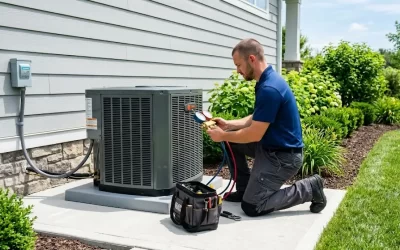
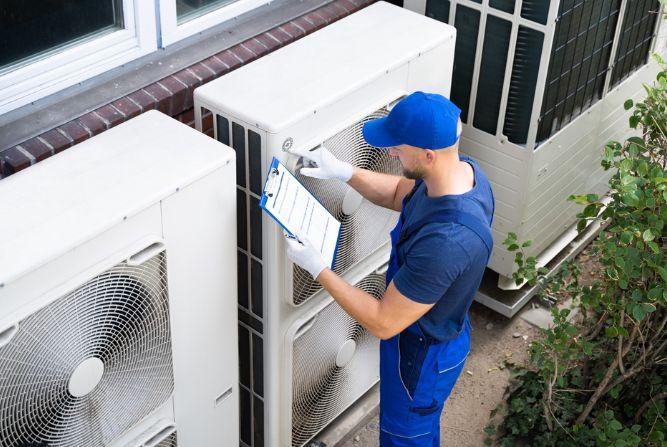
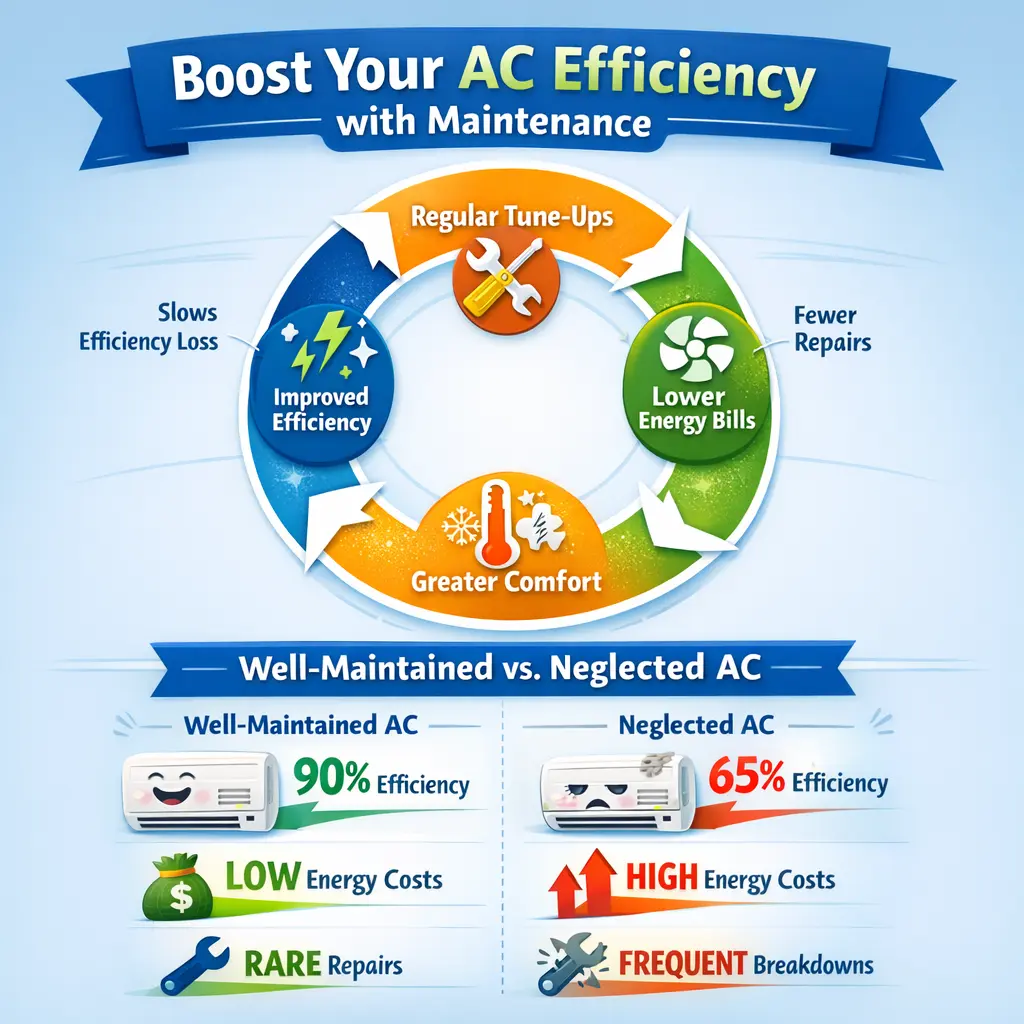
While we can’t stop your air conditioner from losing efficiency, we can slow the rate at which wear and tear affects your unit. By taking advantage of our maintenance plans, you’ll get a tune-up of your unit once or twice a year. These tune-ups are pretty extensive, and they get you discounts on repairs. You’ll end up with a more efficient unit and fewer, less expensive repairs!
Looking for a high-efficiency unit? Call Classic!
Our team can improve the lifespan of your existing unit with regular maintenance, and if it’s time for a new AC unit, we can help with that too!
So give us a call! The Classic team is here for all of your HVAC needs.
Frequently Asked Questions
How long does an energy-efficient AC unit typically last?
The lifespan of an AC unit depends on usage, maintenance, and brand quality. With proper care, high-efficiency units can last 15–20 years, while regular units may have a shorter lifespan.
Does upgrading to a high-SEER AC require modifications to my home’s electrical system?
In some cases, older homes may need minor electrical upgrades to support a more powerful or high-efficiency unit. A professional assessment can determine if upgrades are necessary.
Are there rebates or incentives for installing an energy-efficient AC unit?
Many utility companies and government programs offer rebates or tax incentives for high-efficiency AC units. These can help offset the higher upfront cost.
How does an energy-efficient AC affect humidity levels in my home?
High-efficiency units typically remove more humidity from the air while cooling. This helps maintain comfort, especially in humid climates, and can reduce the risk of mold and mildew.
Will a high-efficiency unit make my home quieter?
Often, yes. Many modern high-SEER units are designed to operate more quietly than older or standard units, thanks to advanced compressors and insulation.
How can I tell if my AC is losing efficiency besides tracking energy bills?
Signs include inconsistent cooling, longer run times, unusual noises, and higher-than-normal humidity indoors. Regular professional checkups can catch these issues early.
Can a smart thermostat help me save more even if my AC isn’t high-efficiency?
Absolutely! Smart thermostats optimize cooling schedules and reduce energy waste, which can improve efficiency and lower bills even with older units.
Does routine maintenance really make a noticeable difference in energy savings?
Yes. Cleaning, lubricating, and inspecting components helps the unit run more efficiently and can extend its lifespan, often reducing energy costs and repair expenses.
How do I know if it’s time to replace my AC unit rather than just maintain it?
If your unit is over 10–15 years old, requires frequent repairs, struggles to maintain temperature, or has a very low SEER rating compared to modern units, replacement is likely more cost-effective than continued maintenance.