In this blog, we’ll break down the key symptoms of a bad AC expansion valve, why they occur, and practical steps you can take to fix or replace the valve before it turns into a bigger issue.
AC Expansion Valve Failure Overview GuideAn expansion valve regulates refrigerant flow, balancing pressure between the liquid lines and the evaporator, keeping cooling consistent. When it fails, homes experience uneven temperatures, ice buildup, strange noises, longer run times, rising energy bills, and erratic compressor cycling. Contamination, improper charge, installation errors, pressure swings, or sensor faults often trigger damage. Diagnosis, refrigerant recovery, replacement, precise recharging, and routine maintenance restore performance and prevent costly breakdowns with professional support recommended. |
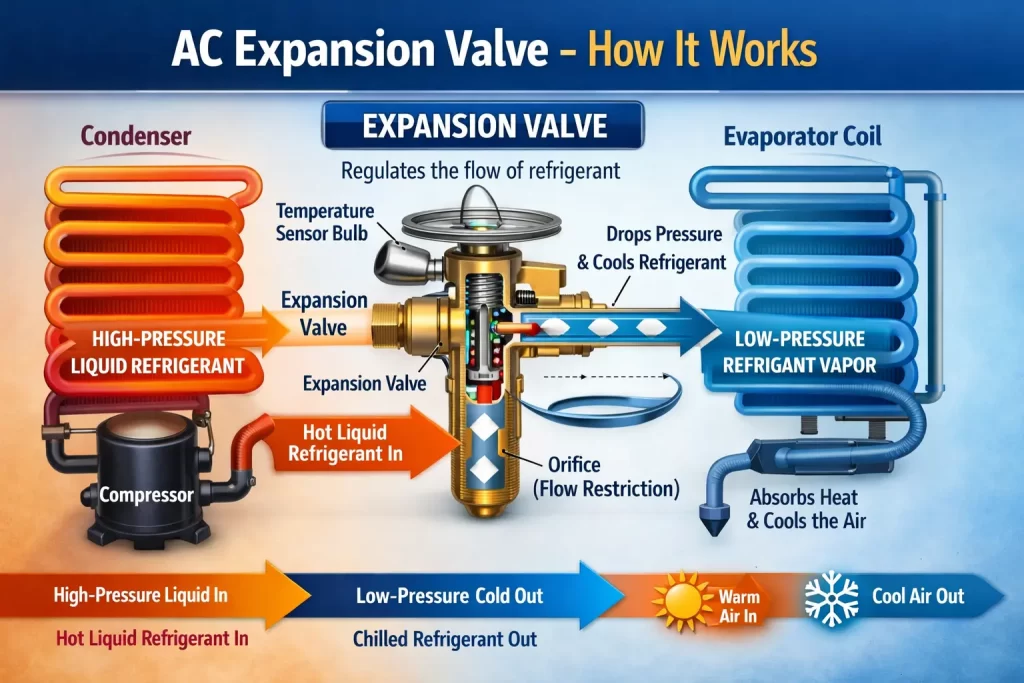
Understanding the AC Expansion Valve and How It Works
The expansion valve is a critical component in any HVAC system, acting as the gateway between the high-pressure liquid refrigerant and the low-pressure evaporator coil. So, what does an AC expansion valve do? Its main job is to regulate the flow of refrigerant, ensuring the right amount enters the evaporator so that the air conditioner cools efficiently.
There are several types of expansion valves used in HVAC systems:
- Thermal Expansion Valve (TXV or TEV): This is the most common type. It uses a temperature-sensing bulb to adjust refrigerant flow automatically based on the cooling load, ensuring optimal efficiency.
- Electronic Expansion Valve (EEV): Found in modern HVAC systems, EEVs use sensors and electronic controls to precisely regulate refrigerant, offering better energy efficiency and performance.
- Capillary Tube: A simpler, fixed-orifice design often found in smaller or residential systems. While inexpensive and low-maintenance, it doesn’t adjust to varying cooling loads as dynamically as TXVs or EEVs.
Common Symptoms of a Bad AC Expansion Valve
Here are the most common symptoms of a bad AC expansion valve:
Inconsistent or Uneven Cooling
If some rooms feel cold while others remain warm, or the air conditioner blows warm air intermittently, the expansion valve might not be regulating refrigerant properly, causing uneven cooling across the system.
Ice Formation on Evaporator Coil
A faulty valve can allow too much or too little refrigerant into the evaporator coil. Too much refrigerant can lower the temperature excessively, causing ice to form on the coil, which reduces airflow and efficiency.
Unusual Noises from the AC Unit
Hissing, gurgling, or metallic noises from the evaporator area may indicate that the expansion valve is malfunctioning or partially blocked, causing irregular refrigerant flow.
Reduced Cooling Efficiency
A system with a failing expansion valve may run longer than usual to achieve the desired temperature, leading to increased energy consumption and higher utility bills.
Compressor Cycling Issues
Since the expansion valve directly affects refrigerant flow, a faulty valve can cause the compressor to cycle on and off more frequently than normal, which can shorten its lifespan and increase wear.
| Pro Tip: While some minor HVAC maintenance tasks can be DIY, working with expansion valves involves refrigerants and pressurized systems. It’s strongly recommended to hire a licensed HVAC professional to handle diagnosis, repair, and replacement safely. |
Causes of AC Expansion Valve Failures
After conferring signs of a bad AC expansion valve, here are the main reasons the AC expansion valves fail:
Refrigerant Contamination
Dirt, moisture, or other contaminants in the refrigerant can clog or damage the valve, restricting refrigerant flow and reducing system efficiency. Moisture can also react chemically with the refrigerant, forming acids that corrode internal components.
Incorrect Refrigerant Charge
Too much or too little refrigerant in the system puts extra stress on the system and halts the AC expansion valve function. Overcharging can flood the evaporator coil, while undercharging can cause the valve to overwork, leading to wear and failure.
Improper Installation
Incorrectly installed valves, such as improper orientation or poor connections, can cause operational issues, refrigerant leaks, or mechanical stress, which reduce the valve’s lifespan.
Excessive Pressure or Temperature Fluctuations
Frequent or extreme changes in system pressure or temperature can strain the expansion valve, causing premature failure. This is especially common in systems that experience irregular maintenance or high usage.
Faulty Sensors or Electronic Controls (for EEVs)
In modern electronic expansion valves, malfunctioning sensors or control boards can cause improper refrigerant regulation, effectively “failing” the valve even if the mechanical parts are intact.
How to Fix a Bad AC Expansion Valve?
Here’s how professionals typically fix a bad AC expansion valve:
Diagnose the Problem Accurately
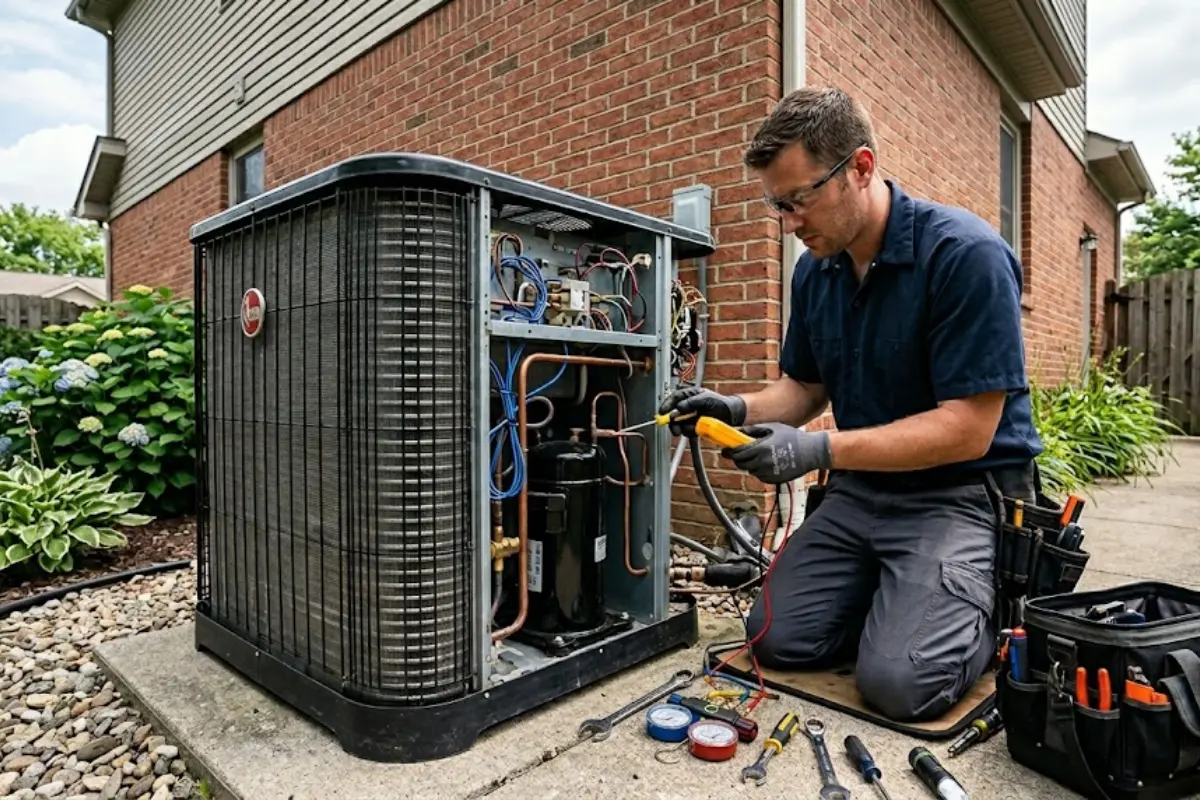
Before replacing the valve, it’s essential to confirm it is the source of the issue. Technicians check for uneven cooling, ice on the evaporator coil, abnormal pressures, and unusual noises, often using gauges and temperature sensors to verify valve performance.
Recover Refrigerant Safely
HVAC systems contain refrigerants that are hazardous to the environment. Before working on the valve, all refrigerant must be properly recovered using specialized recovery equipment to prevent leaks.
Remove the Faulty Valve
Once the system is depressurized, the faulty expansion valve can be carefully disconnected from the refrigerant lines. This may involve removing mounting screws, disconnecting thermal bulbs or sensors, and cutting refrigerant lines in some systems.
Clean or Replace Components (if applicable)
In some cases, minor blockages or debris can be cleaned, especially in simpler capillary or mechanical valves. However, most modern thermal or electronic expansion valves are replaced rather than repaired to ensure reliability.
Install the New Valve Correctly
The replacement valve must be installed in the correct orientation and securely connected to the refrigerant lines. For thermal valves, the sensing bulb must be properly attached to the evaporator coil. Electronic expansion valves must be wired and calibrated according to the manufacturer’s specifications.
Evacuate and Recharge the System
After installation, the HVAC system is evacuated to remove air and moisture, then recharged with the correct type and amount of refrigerant. Proper pressure and temperature settings are crucial for optimal performance.
Test the System Thoroughly
Finally, the system is tested to ensure the new valve is regulating refrigerant correctly. Technicians check for consistent cooling, correct pressures, and the absence of leaks or unusual noises.
| Pro Tip: While some minor HVAC maintenance tasks can be DIY, working with expansion valves involves refrigerants and pressurized systems. It’s strongly recommended to hire a licensed HVAC professional to handle diagnosis, repair, and replacement safely. |
Preventive Tips to Avoid AC Expansion Valve Problems
- Regular HVAC Maintenance: Schedule AC inspections with professional maintenance plans at least once a year to detect early signs of valve issues.
- Check Refrigerant Levels: Ensure proper refrigerant charge to prevent valve overwork or system imbalances.
- Keep the System Clean: Regularly clean air filters, coils, and refrigerant lines to prevent debris from clogging the valve.
- Inspect Sensors and Wiring (for EEVs): Ensure electronic valves and sensors are functioning correctly.
- Address Small Issues Promptly: Ice buildup or uneven cooling should be checked immediately to prevent valve failure.
This approach helps reduce failures and is a key part of any frequent AC repair components guide, ensuring your HVAC system runs efficiently for years.
Conclusion
A well-maintained AC expansion valve keeps your HVAC system running efficiently, but issues can arise unexpectedly. When problems occur, timely professional intervention is key. For reliable air conditioner repair in New Braunfels and surrounding areas, Classic Services Air Conditioning & Heating offers expert diagnostics, valve replacement, and maintenance services.
FAQs
Are expansion valves covered under HVAC warranties?
Many manufacturers’ warranties cover parts for several years, but labor may not be included. Coverage depends on brand, registration, and whether maintenance requirements were followed.
How do I know if I should repair or replace the expansion valve?
If the valve is clogged or worn, replacement is usually more reliable than repair. Technicians assess age, damage severity, and overall system condition before recommending the best option.
Do all air conditioners have an expansion valve?
Most central and modern split systems use one, but the type varies. Some smaller or older units use simpler metering devices that serve a similar purpose.
Can low refrigerant mimic expansion valve problems?
Yes, low refrigerant can cause symptoms similar to valve failure, uneven cooling, or coil icing, but precise diagnosis determines the true root cause.
What noise should an AC expansion valve make?
Healthy valves operate quietly. Persistent hissing, gurgling, or clicking near indoor coils often signals irregular refrigerant flow or mechanical issues needing evaluation.
Can an AC work with a broken expansion valve?
It might run, but efficiency drops significantly. Continued operation can stress other components, making failure more costly if not addressed promptly.
How do technicians test an AC expansion valve?
Pros use gauges and temperature sensors to check pressures, superheat levels, and refrigerant behavior—pinpointing whether the valve or another component is faulty.