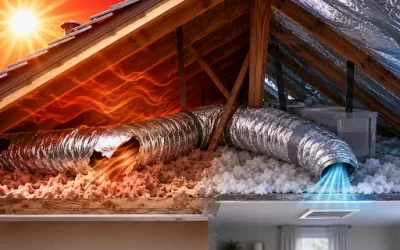
To live in Texas, you’ve got to love or at least tolerate the heat. Longtime residents of New Braunfels and the San Antonio area know, however, that heat’s not all you get when you live in Texas.
We see all kinds of weather: thunderstorms, flash floods, hail, tornadoes, and even the occasional snowstorm in the winter months. Through it all, we have our heating and cooling systems to keep us comfortable. That brings us to today’s topic: Your HVAC system is protecting you from harsh weather. What are you doing to protect it?
We’ve got four handy tips to keep your HVAC system running smoothly, no matter what Mother Nature throws at it. Read on!
Key Takeaways for HVAC Maintenance in TexasTexas weather can be extreme, making HVAC maintenance essential. This blog shares four practical tips to keep your system running reliably: clear space around the outdoor unit, invest in a backup generator, prepare ahead for severe weather, and avoid covering the condenser. With regular maintenance and smart precautions, your HVAC system can handle Texas’s toughest conditions year-round. |
Clear the space around your AC unit
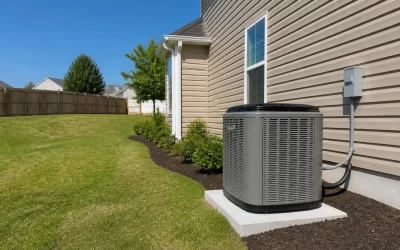
Your condenser unit – the part of your AC that calls the great outdoors its home, is the most vulnerable to damage from wild weather. These units are built to withstand a lot; wind, rain, and even hail are unlikely to do serious damage to the unit.
The main source of damage to condenser units is other objects falling or flying into them. That’s why we highly recommend having at least two feet of clearance around your condenser unit. Trim any tree branches that could fall on it. Move any loose patio furniture that’s near the unit. Keep the area clear of any objects, and your condenser can endure the rest.
Buy a backup generator
After a particularly harsh storm, the power to your home may be cut. Whether it’s due to local power outages or rolling blackouts, you might find the temperature in your home reaching dangerous highs or lows during an outage.
This problem can be avoided by installing an emergency backup generator. We don’t recommend installing these yourself. It is better to talk to an electrician to safely secure enough backup energy to power your home.
Watch the weather
Know that a storm is coming? Heat or cool your house before it hits. By doing this, you’ll be able to maintain a comfortable temperature in case your unit goes offline during or after the storm.
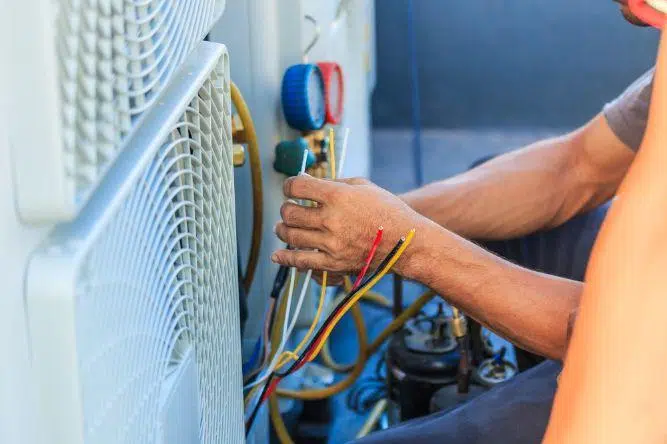
On a similar note, you should take advantage of our maintenance services and tune up your AC and furnace in the spring and fall. By getting a tune-up before the harsher seasons hit, your unit will be more likely to withstand the toll of severe weather and the heating and cooling requirements that come with it.
Don’t cover your unit
We’ve seen a lot of advice online recommending that you cover your condenser unit to protect it from harsh weather. That’s a bad idea. Your unit is built to withstand rain, snow, hail, and more. Covering it can actually lead to more problems, from restricted airflow to rodent infestations.
Heat, humidity, and storms—Texas weather tests your system. Protect it with weather-wise care.
Frequently Asked Questions (FAQs)
Can a furnace leak carbon monoxide when it is turned off?
Generally, no. Carbon monoxide is a byproduct of combustion. If the furnace is not burning fuel, it is not producing CO. However, residual gas could leak if there are valve issues immediately after shut-off.
What does a carbon monoxide leak smell like?
Carbon monoxide is odorless, colorless, and tasteless. This is why it is known as the “silent killer” and why installing functional detectors is crucial.
How often should I have my furnace inspected?
Industry standards recommend a professional inspection and tune-up at least once a year, ideally before the winter heating season begins.
Can a dirty air filter cause carbon monoxide leaks?
Indirectly, yes. A clogged filter restricts airflow, which can cause the heat exchanger to overheat and crack. A cracked heat exchanger is the leading cause of CO leaks.