As the temperature rises, your HVAC system becomes an essential companion in maintaining a comfortable and refreshing indoor environment. However, while constantly working, the system might start malfunctioning and developing problems such as inadequate cooling, higher humidity levels, and poor air quality. To ensure that your HVAC system operates at its peak performance, it’s crucial to implement some effective maintenance and careful usage tips for the scorching months ahead. Let’s explore HVAC tips for summer to keep your space cool and inviting even when the sun is at its most unforgiving.
Summer HVAC Efficiency: Key TakeawaysProper HVAC maintenance ensures consistent indoor comfort during extreme heat in New Braunfels. Essential strategies include monitoring thermostat settings, regularly cleaning or replacing air filters, inspecting condenser coils, checking refrigerant levels, sealing air ducts, and scheduling professional maintenance. Upgrading older systems and using ceiling fans or window shades can enhance cooling efficiency, reduce energy consumption, and prevent system strain, keeping homes cool, energy-efficient, and reliable throughout the hottest summer months. |
HVAC means Heating, Ventilation, and Air Conditioning: A system or technology used to control the indoor environment of buildings such as homes, offices, schools, hospitals, and other facilities.
Heating: HVAC systems provide heating during colder months by generating warmth through methods like furnaces, boilers, or heat pumps. These systems distribute heat throughout the building to maintain comfortable temperatures indoors. Understanding how to choose the right HVAC system for your home can help you select a reliable and efficient solution.
Ventilation: It is the process of exchanging indoor air with outdoor air to maintain humidity and indoor air quality. HVAC systems include ventilation components such as fans, ducts, and air vents to circulate air, remove indoor pollutants, and regulate humidity levels.
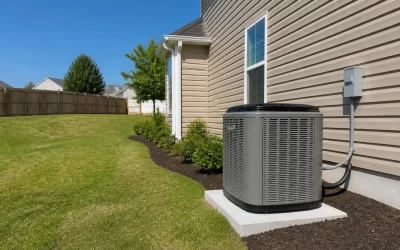
Air Conditioning: HVAC systems provide cooling during warmer months by using refrigerant to absorb heat from indoor air and release it outdoors, resulting in lower indoor temperatures. This function is critical in regions like San Antonio and New Braunfels, where extreme summer heat puts significant stress on HVAC systems. Historically, San Antonio averaged 9 days per year above 100°F (1950–2004), but over the past 20 years, that number rose to 26 days annually, peaking at 75 days in 2023. Such extreme temperatures mean air conditioning units must operate longer and require proper maintenance to prevent breakdowns.
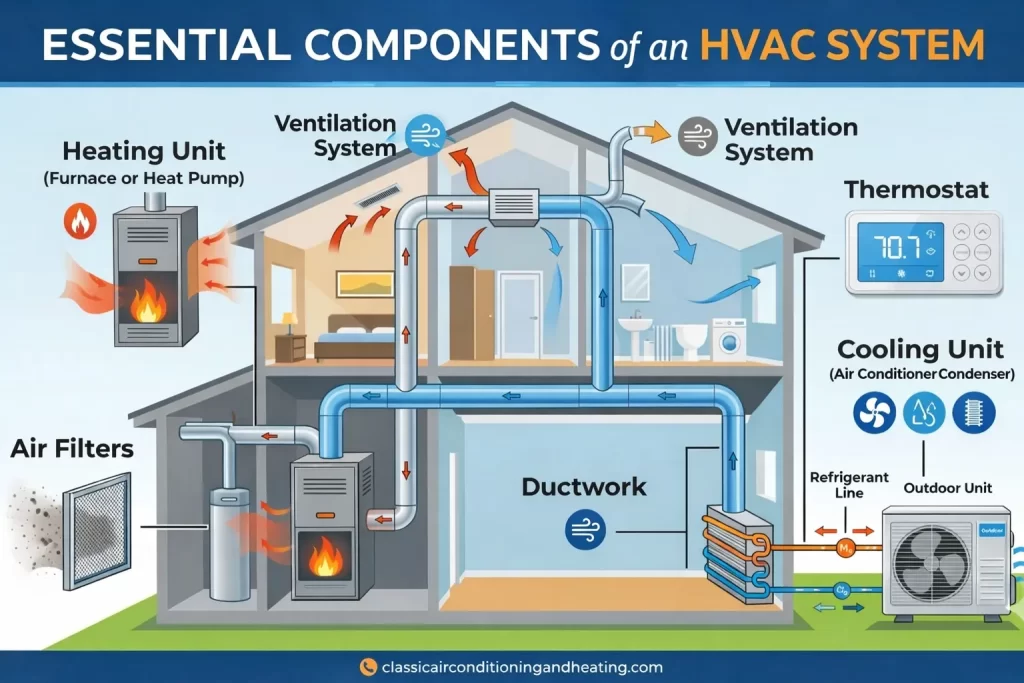
Basic Components of an HVAC System
- Heating Unit
- Cooling Unit
- Ventilation System
- Thermostat
- Ductwork
- Air Filters
- Refrigerant
HVAC tips for a Cool Summer
Assess Your Thermostat
The thermostat acts as the brain of your HVAC system, helping it cool down the room temperature effectively. When you set the thermostat to a cooler temperature than the current room temperature, it signals the air conditioner to start cooling the air. Once the room reaches the desired temperature, the thermostat signals the air conditioner to stop. Basically, the thermostat tells your HVAC system when to work and take a break, ensuring that your home stays comfortable without wasting energy by unnecessarily running the air conditioner. So, by adjusting the thermostat to your preferred temperature, you can control how cool your home feels and keep your energy bills in check.
Clean Air filters
Clogged filters restrict airflow, forcing your HVAC system to work harder and consume more energy. Regular air filter cleaning highlights the perks of routine HVAC care, improving airflow efficiency by effectively trapping dust, pollen, and other airborne particles. If you have a pet that sheds a lot of hair and produces abundant pollen, consider changing the air filters every 45 days to ensure optimal performance of your HVAC system.
Refill Refrigerant
Your home’s cooling system requires refrigerant to operate effectively. The refrigerant will eventually exhaust with time. Make sure to inspect it frequently and refill it before it runs out of supply.
Condenser Coils
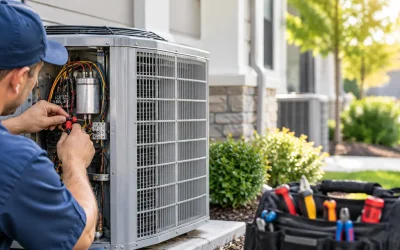
The condenser coils hold the liquid refrigerant in your air conditioner. When these coils get dirty, they block the airflow, reducing your system’s cooling efficiency. Thus, you should inspect and clean the condenser coils periodically to maintain the optimal performance of your air conditioner and to reduce overheating.
Air Ducts
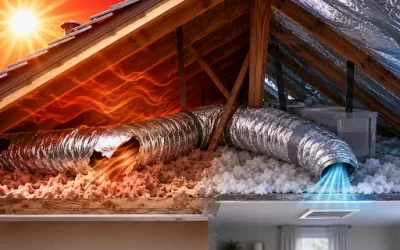
Properly insulated and sealed air ducts are essential to maintain the desired temperature of a room. Improper installation can result in energy loss and uneven distribution of cool air. So, always ensure that air leaks in the ducts are sealed correctly to maximize cooling efficiency.
Schedule Maintenance Appointments
Schedule professional appointments atleast once a year to increase the cooling of your HVAC system. The technicians can inspect, clean, and tune up your HVAC system, identifying and resolving potential issues before they escalate.
Consider Upgrades
Older HVAC systems consume more energy, need frequent repairs, and generate more heat. So, replacing your outdated HVAC system is crucial if it’s creating new problems every other day. Investing in upgrades such as programmable thermostats, zoning systems, or ductless mini-split systems can provide long-term savings and enhance cooling efficiency.
Heat waves are no joke. Use these proven tips to stay cool reliably all summer long.
Other Summer Hacks for Maximum Coolness
If your windows are bringing a lot of sunlight to your indoors, maintaining optimal cooling would be hard for your system. You can reduce solar heat gain by installing curtains, blinds, or awnings on windows. This will help in reducing the workload on your HVAC system and cool your home much faster.
Use Ceiling Fans
You can install awning fans in your home as these enhance the airflow tribute cool air. The use of fans can create a sensation of cooling in the air, which can help you feel more comfortable. This effect is known as wind chill and allows you to increase the thermostat temperature without experiencing any discomfort. This helps your HVAC system work more effectively by reducing hot spots and maintaining a consistent temperature.
Conclusion
These HVAC tips for summer have guided you on how to keep your environment cool during the hot days. It is essential to take measures like coil condenser maintenance, air filter cleaning, and refrigerant refilling to ensure the efficiency of your HVAC system. Additionally, installing shades and ceiling fans can also help maintain a comfortable temperature in your space during burning days.
If you also want your environment to stay cool and comfortable all summer long, contact Classic Services Air Conditioning & Heating for the best HVAC services in New Braunfels, TX.
FAQ’s
What are common signs my air conditioner might be underperforming?
Beyond obvious poor cooling, subtle signs include uneven room temperatures, unusual sounds from the unit, higher energy bills than usual, or unexplained humidity. Recognizing these early can prevent larger repairs.
Are there any smart thermostat features that save energy while keeping my home comfortable?
Modern thermostats often include features like programmable schedules, remote control via apps, adaptive learning, and integration with voice assistants. These features can optimize energy usage while maintaining comfort, especially during hot summers.
What should I consider when deciding to upgrade my old HVAC system?
Factors include system age, energy efficiency, frequency of repairs, and technological advancements such as zoning systems or ductless mini-splits. Homeowners often evaluate long-term cost savings and improved comfort when deciding on an upgrade.
What additional tools or devices can enhance indoor comfort during a Texas summer?
Homeowners often explore smart vents, ceiling fans, energy-efficient window treatments, and portable dehumidifiers. Each can work with your HVAC system to improve airflow, reduce energy consumption, and enhance comfort levels.
What are common causes of HVAC system strain during extreme heat waves?
Extended periods of high temperatures, blocked vents, dirty filters, low refrigerant, and outdated equipment can all increase strain, leading to higher energy use and potential malfunctions.