Nothing disrupts comfort faster than a furnace that fails to start on a cold winter morning. When the thermostat is set correctly, but warm air never arrives, the issue often traces back to one critical component inside the system: ignition. Furnaces rely on either a traditional pilot light or a modern electronic igniter switch to produce heat, and each system behaves differently when problems occur.
Understanding the difference between a pilot light vs. igniter switch can remove uncertainty during a heating emergency. In this blog, we break down how pilot lights and electronic igniter switches work, explain the most common failure points for each system, and outline practical troubleshooting steps to help you restore heat quickly and safely.
Overview of a Furnace IgniterA furnace igniter is a critical component in modern heating systems, typically lasting 3 to 7 years due to repeated heating and cooling cycles that lead to eventual wear and cracking. Common issues with igniters include overheating, dirty components, or external factors like strong drafts, which can prevent them from functioning properly. When problems arise, safety features such as gas valve shutoffs may activate, especially when comparing Pilot Light vs. Igniter Switch performance during ignition failures. Regular maintenance, including cleaning and inspections, can help extend the lifespan of the igniter and ensure the furnace operates efficiently. Understanding these details helps homeowners address common furnace concerns and maintain a comfortable, safe living environment. |
What Is a Furnace Pilot Light?
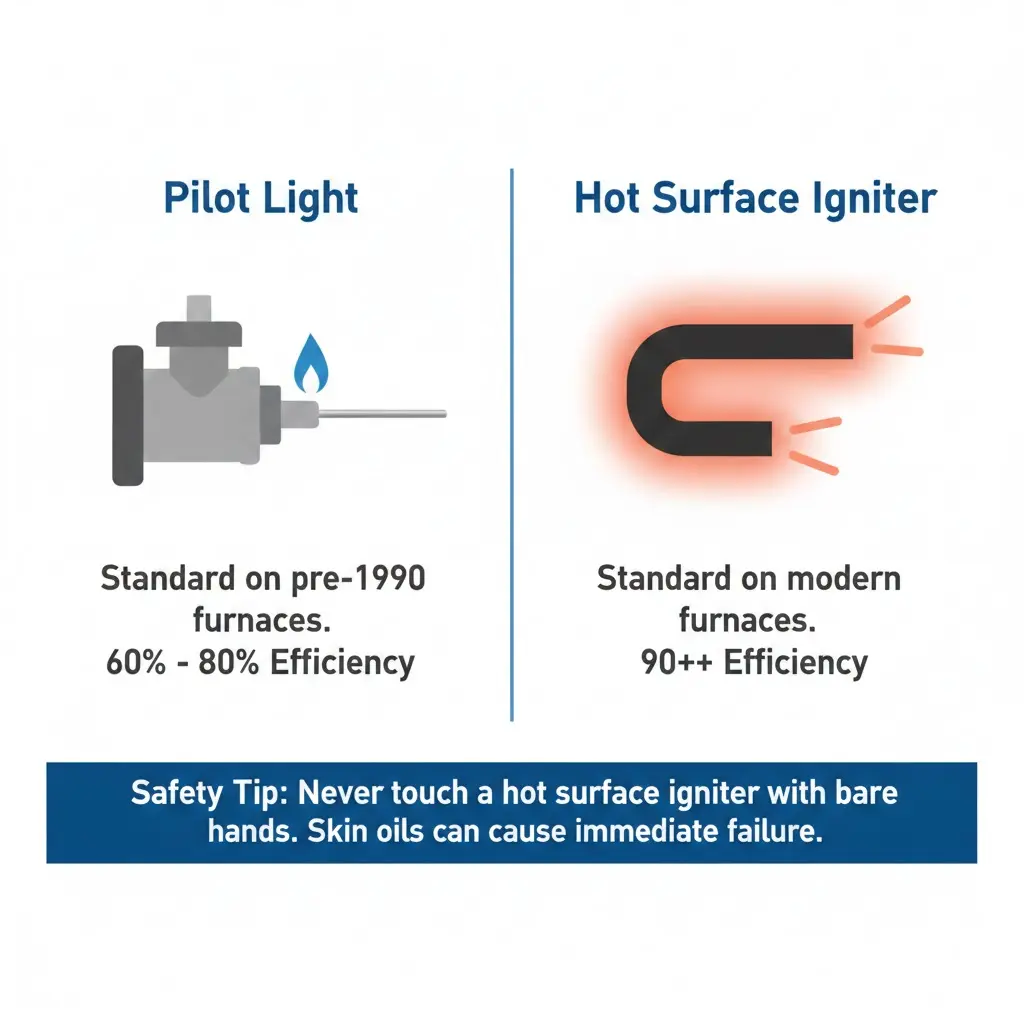
A pilot light is a small, continuous gas flame that stays lit even when your furnace is not actively heating your home. It serves as the ignition source for the main burners. This technology was the standard for older gas furnaces, water heaters, and fireplaces for many years. While simple in design, it has fallen out of favor in newer models due to efficiency concerns.
How a Pilot Light Works?
The process is straightforward. A small stream of gas flows to the pilot burner, keeping the flame alive 24/7. When the thermostat signals that heat is needed, the main gas valve opens, releasing gas into the combustion chamber. The standing pilot flame then ignites this larger release of gas, creating the heat that warms the air circulating through your ducts.
A crucial safety component here is the thermocouple. This sensor sits in the pilot flame to detect heat. If the pilot light goes out, the thermocouple cools down and shuts off the gas supply to prevent a dangerous leak.
Furnaces That Use Pilot Lights
You will typically find pilot lights in older furnace models, specifically those manufactured before 2010. If your furnace is over 15 or 20 years old, there is a high probability that it relies on a standing pilot. You can usually confirm this by looking through the small access window on the front of the unit; if you see a small blue flame burning constantly, you have a pilot light system.
What Is a Furnace Igniter Switch?
As energy standards tightened, manufacturers moved away from the “always-on” pilot light. Enter the electronic ignition system, or igniter switch. Instead of wasting gas to keep a flame burning indefinitely, an igniter switch only activates when the thermostat calls for heat. It creates a spark or intense heat to ignite the gas, making it significantly more energy-efficient.
How an Igniter Switch Works?
When your thermostat detects a drop in temperature, it sends an electrical signal to the furnace control board. This board begins a sequence: the draft inducer fan starts, safety checks are run, and then the igniter is energized. Once the igniter is hot enough (or sparking), the gas valve opens, and combustion begins. The igniter then shuts off until the next heating cycle.
Types of Furnace Igniters
There are two main types of electronic ignition systems:
- Hot Surface Igniter (HSI): This is the most common type in modern furnaces. It functions like a light bulb filament or a toaster element. Made from materials like silicon carbide or silicon nitride, it glows red-hot when electricity passes through it, igniting the gas.
- Intermittent Pilot: This is a hybrid system. It uses a high-voltage electric spark to light a pilot flame only when heat is needed. Once the pilot is lit, it ignites the main burners, and then the pilot shuts off when the heating cycle is complete.
Troubleshooting Pilot Light Issues (Step-by-Step)
1. Check for a Draft
Strong drafts can easily blow out a pilot flame. Ensure the cover panel on your furnace is secure and that there are no significant drafts in the utility room.
2. Inspect the Thermocouple
The thermocouple is a safety device, but it can get dirty or bent.
- Soot buildup: If the tip is covered in soot, clean it gently with a wire brush or fine-grit sandpaper.
- Alignment: The flame should envelop the top 1/2 inch of the thermocouple rod. If the rod is bent away from the flame, carefully bend it back into place.
3. Relight the Pilot
If the flame is out, you may need to relight it manually. Always consult your owner’s manual for specific instructions.
- Turn the furnace power switch to “Off”.
- Turn the gas knob to “Off” and wait 5 minutes for any gas to dissipate.
- Turn the knob to “Pilot.”
- Press and hold the reset button (or the knob itself) while holding a long lighter to the pilot opening.
- Once lit, continue holding the button for about 60 seconds to heat the thermocouple.
- Release the button. If the flame stays lit, turn the knob to “On.”
For more detailed instructions, you can read our guide on how to light a furnace pilot light.
4. Check the Flame Color
A healthy pilot flame should be sharp and blue. A yellow or flickering flame indicates incomplete combustion, often caused by a dirty burner or lack of oxygen. This can produce carbon monoxide, so if you see a yellow flame, call a professional immediately.
Troubleshooting Igniter Switch Problems (Step-by-Step)
1. Reset the Furnace
Sometimes the system simply locks out due to a temporary fault. Locate the power switch on the side of the furnace (it looks like a light switch) or the breaker in your electrical panel. Turn it off for 30 seconds, then flip it back on. Watch through the sight glass to see if the ignition sequence begins.
2. Check the Igniter for Damage
Turn off the power to the furnace before doing this.
Remove the access panel and locate the igniter near the burners. Look for a crack in the ceramic element. A crack, even a hairline one, breaks the electrical circuit, meaning the igniter won’t heat up. If you see white silica powder on the element, that’s also a sign it’s nearing the end of its life.
3. Listen for the “Click”
If you have a spark igniter, you should hear a rapid clicking sound before the burners ignite. If you don’t hear clicking, or if it clicks but doesn’t light, the issue might be a faulty control board or a dirty flame sensor.
4. Clean the Flame Sensor
The flame sensor is a metal rod that sits in the path of the burner flame. Over time, it gets coated in oxidation and carbon.
- Turn off the power to the furnace.
- Remove the sensor (usually held by one screw).
- Gently rub the metal rod with fine steel wool or a dollar bill (the paper is abrasive enough to clean without scratching).
- Reinstall and test the furnace.
| Need Help? If troubleshooting doesn’t solve the issue! Contact our team at Classicairconditioningandheating.com for fast, reliable service. |
Ignition Systems Compared
When to Call a Professional Furnace Technician?
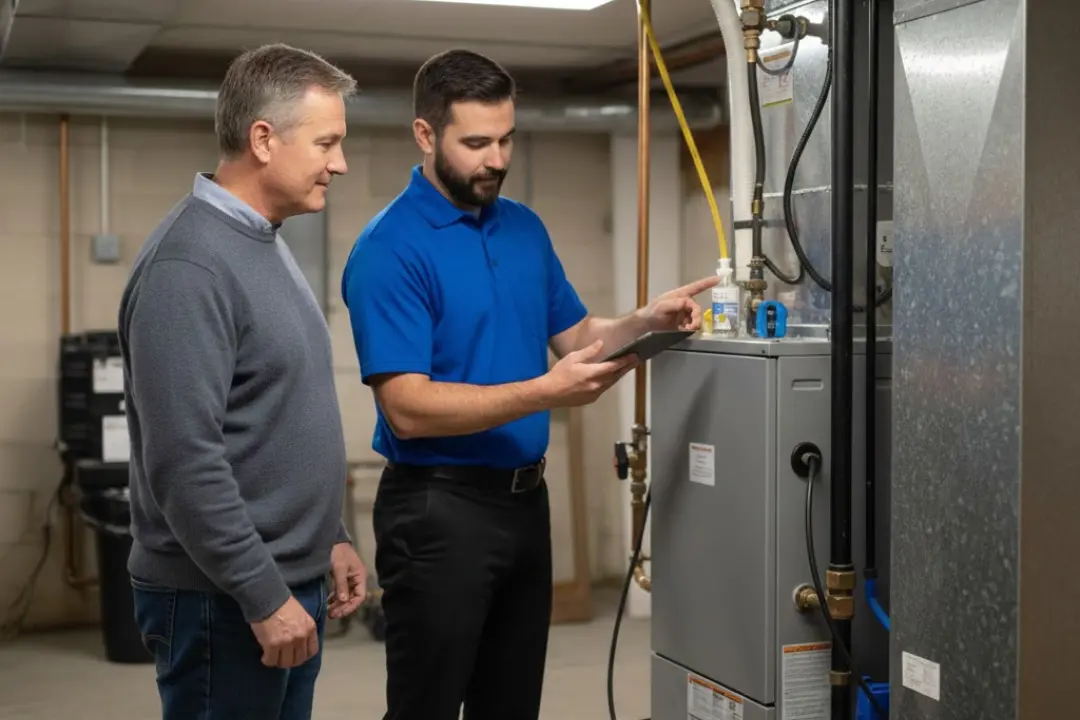
While DIY troubleshooting can solve minor issues, some problems require expert attention. For reliable furnace repair services, it is best to contact a certified technician if you encounter the following:
- You smell gas: This is an emergency. Leave the house immediately and call your utility provider.
- The pilot light won’t stay lit: If you’ve cleaned the thermocouple and relit the pilot but it keeps going out, the thermocouple or gas valve may be faulty.
- Rapid cycling: If the furnace turns on and off repeatedly (short cycling), it could indicate a complex airflow or thermostat issue.
- You aren’t comfortable: Working with gas and electricity carries risks. If you are unsure about any step, safety is the priority.
Furthermore, issues with combustion can sometimes lead to dangerous leaks. Learn more about effective ways to prevent your furnace from leaking carbon monoxide to keep your household safe.
Should You Upgrade From a Pilot Light to an Igniter Switch?
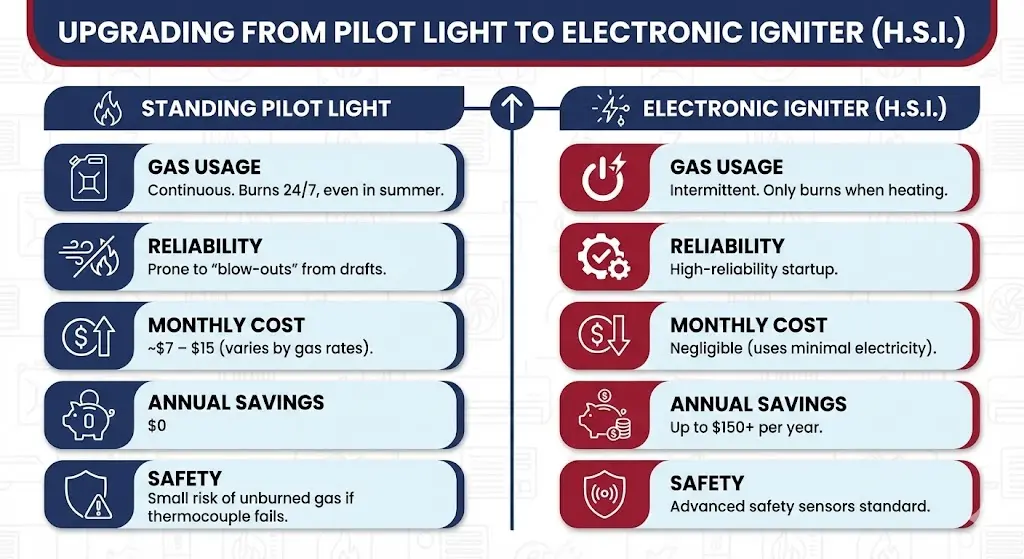
If you are constantly repairing an older unit, upgrading to a modern furnace with an electronic igniter can lower your monthly gas bills and improve safety. While you generally cannot retrofit an old furnace with a new igniter switch, replacing the entire unit is an investment in long-term comfort and efficiency.
To Wrap Up
Understanding how your furnace ignition system works gives you greater control when temperatures drop. Routine upkeep, including clearing dust, checking airflow, and monitoring ignition components, helps reduce the risk of unexpected shutdowns. When issues involve gas or electrical components, professional service is the safest option. At Classic Services Air Conditioning & Heating, our certified technicians specialize in furnace repair, maintenance, and installation, ensuring your system operates safely and efficiently.
Trust our experienced team to keep your home comfortable and your heating system reliable year-round.
FAQs
Can I light a furnace igniter switch manually?
Electronic igniters cannot be lit by hand. They depend on electrical timing and safety sensors. Using an open flame can cause dangerous flash fires and serious injury.
How do I know if my igniter is bad?
A bad igniter prevents burner ignition and shows no orange glow. Visible cracks or failed continuity testing with a multimeter confirm the igniter needs replacement.
Is a standing pilot light expensive to run?
A standing pilot burns gas continuously, even without heating demand. This constant usage increases monthly utility costs compared to efficient electronic ignition systems.
Why does my pilot light keep going out?
Pilot lights usually fail due to a dirty or faulty thermocouple. Drafts, clogged pilot openings, or gas valve issues can also interrupt the flame.
How long does a furnace igniter last?
Most hot surface igniters last three to seven years. Repeated heating cycles cause brittleness, making igniter replacement one of the most common furnace repairs.