
San Antonio has some of the most oppressive climatic conditions in the country, with average summer temperatures regularly exceeding 100°F. What makes it even worse is that the heat doesn’t come alone; it arrives alongside humidity that makes your home feel like a steam room. All of this puts your AC system under a level of stress, like frozen coils, refrigerant leaks, and mid-summer breakdowns, which most units simply are not able to handle. But don’t worry, as we are here with solutions in this blog, which will explore the specific ways through which you can keep your AC running smoothly. Come, let’s read into it!
Understanding San Antonio’s AC Repair TriggersSan Antonio’s combination of extreme summer heat, humidity levels between 60–80%, and frequent dust storms creates a uniquely punishing environment for residential AC systems. The most climate-driven failures include frozen evaporator coils, compressor overload, and condensate drain blockages, all of which are preventable with the right maintenance and equipment choices. |
Most Common AC Repair Problems in San Antonio
Here are some San Antonio AC repair challenges that you could be struggling with:
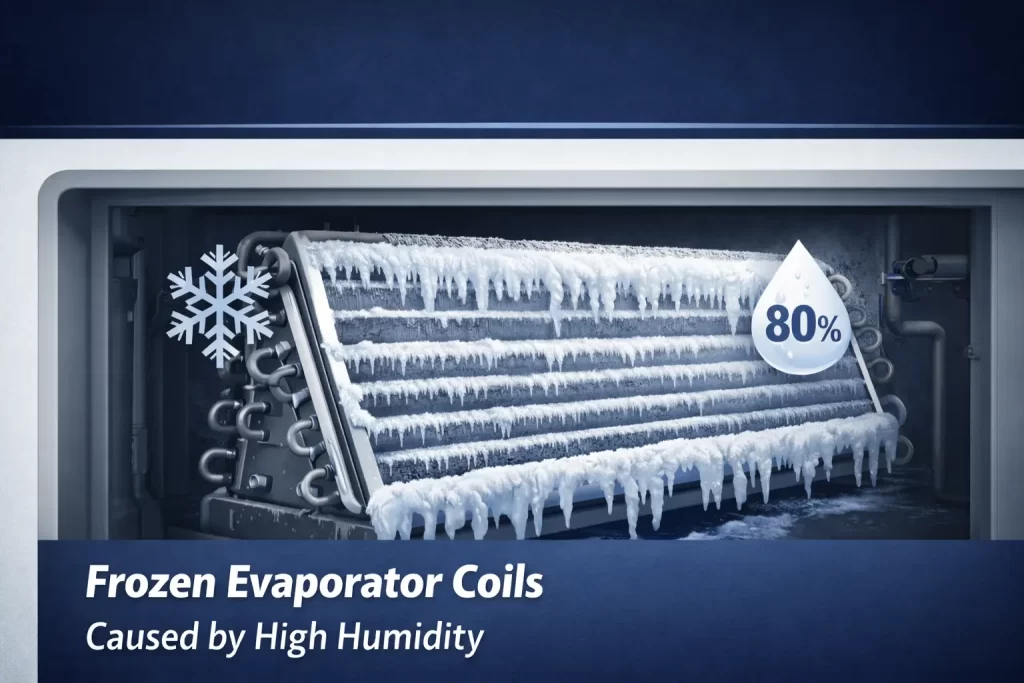
Frozen Evaporator Coils Caused by High Humidity
Especially in summer, the relative humidity can be between 60% to 80%, creating a massive amount of moisture in the air. The most common AC repair problem in San Antonio is when air condenses in the vapor coils when the AC runs, and the airflow gets restricted due to dirty filters or clogged vents. Because the moisture is not completely removed, ice forms. This combination of heat and moisture makes it harder for your AC to perform properly, resulting in frozen coils and, in extension, affecting the cooling of your AC.
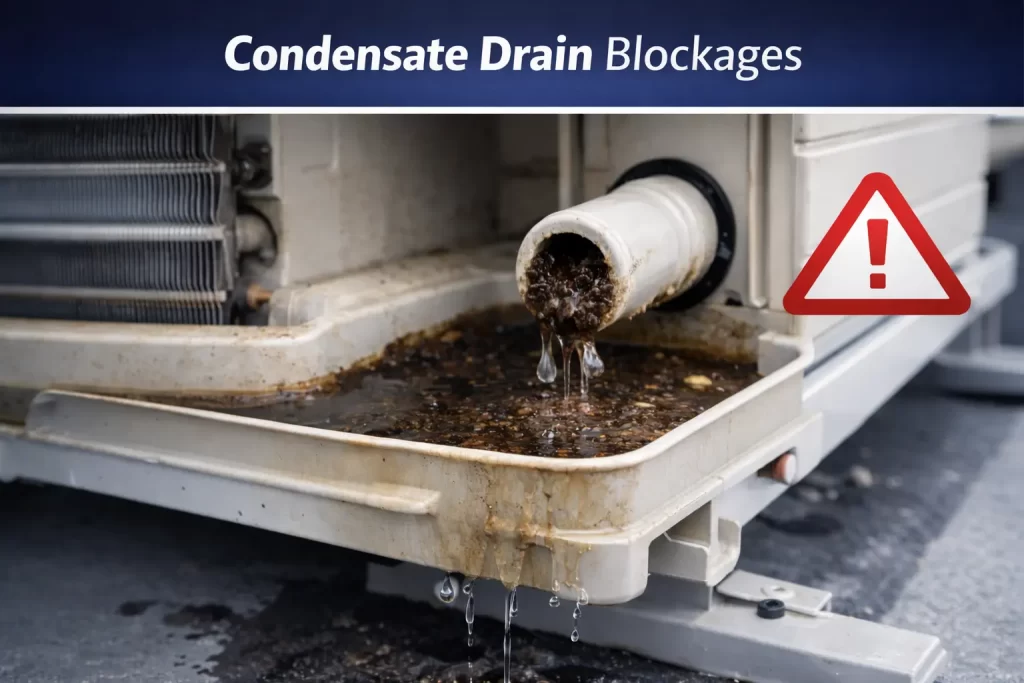
Condensate Drain Blockages
Over time, when collected water vapors are not completely removed, the moisture flows through the condensate drain. This warm, damp environment creates an atmosphere for algae, mold, and debris to build up, leading to blockage. These blocked drains can cause water damage, leakage, or even shut down your AC completely.
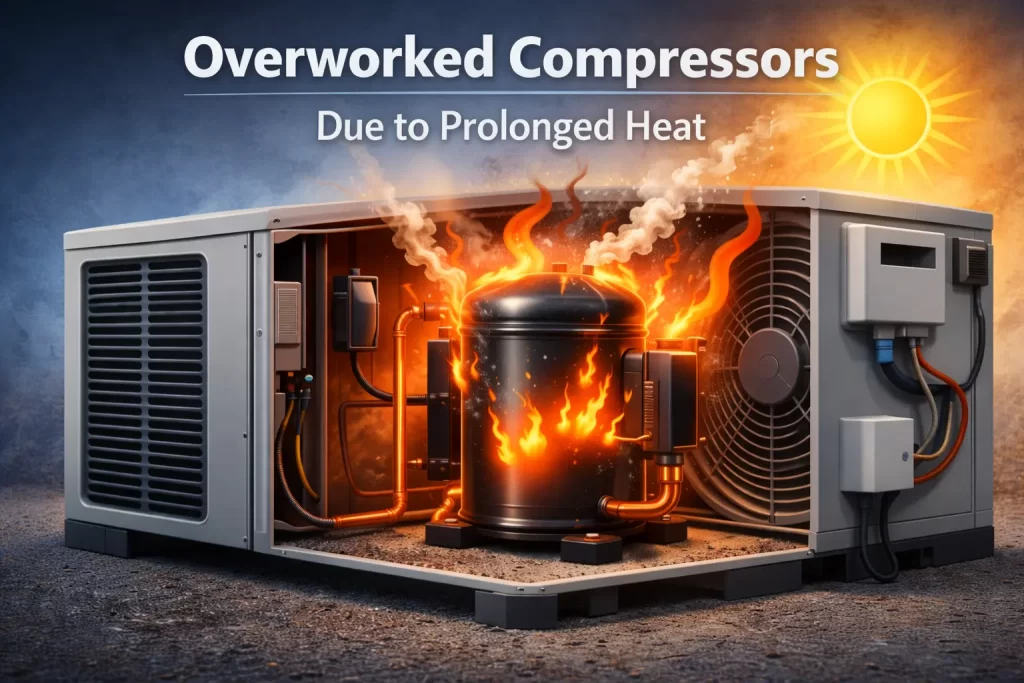
Overworked Compressors Due to Prolonged Heat
AC units in San Antonio are required to run for longer hours and more frequently to maintain the cold temperature. This constant operation puts overload on the unit, and over time, this constant overloading increases the risk of overheating or complete failure, which is a common AC problem in hot climates. This can lead to expensive repairs or even a complete replacement of the compressor.
Tips to Improve AC Efficiency in High Humidity Areas
Use a Dehumidifier
A dehumidifier reduces the moisture content in the air when humidity is excessively high. It allows your AC to cool more quickly and efficiently without overloading. A whole-house dehumidifier usually works with your AC and maintains the ideal humidity level of 30% to 50%.
Install a Secondary Drain Line
When your AC is working in a humid environment, it tends to produce more condensate (water) while removing moisture from the air. Over time, this can clog the drain line with algae, dust, and mold, leading to water damage or complete malfunctioning of the air conditioner. A secondary drain line or regular seasonal AC maintenance in San Antonio helps the drains run smoothly for years.
Improve Airflow
Proper airflow is very important for reducing humidity in your home. When you have poor airflow, the moisture remains trapped indoors, making it harder for your AC to work properly. Installing a ventilation system, such as an attic vent, an exhaust fan, or whole-house ventilation, can help circulate air, which is especially important given how San Antonio’s weather affects your AC installation needs and overall system performance.
Upgrade to a High-Efficiency Unit
A standard air conditioner may struggle to remove enough moisture from the air in areas with high humidity. Upgrading to a unit with multiple cooling stages, enhanced dehumidification capability, and higher SEER2 ratings makes it easier to reach your desired temperature without overloading the system.
According to the U.S. Department of Energy, new HVAC efficiency standards took effect on January 1, 2023, introducing updated SEER2 ratings. In Southern regions like Texas, this typically translates to minimum efficiency levels around 14.3 SEER2 (approximately 15 SEER), depending on system size.
So, if your unit predates 2023, an upgrade is worth seriously considering.
Set the Thermostat Correctly
A temperature of around 78°F with moderate humidity control is more effective than setting your thermostat to an arctic temperature. Lower temperatures can lead to overcooling and unnecessary strain on the unit.
Seal and Insulate Ducts
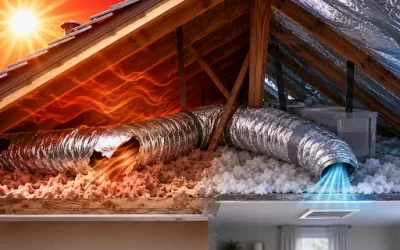
The ducts collect moisture from outside, reducing AC efficiency in high-humidity areas. If the ducts aren’t properly sealed and insulated, your AC has to work harder to cool your home and remove excess moisture. When the ducts are sealed properly and free from leaks, they enhance the cooling of your house.
AC troubles in San Antonio? Our local team knows your climate challenges—get help that fits.
When to Call a Professional AC Repair Service?
High Indoor Humidity
Maintaining your house’s indoor temperature and air quality in the heat waves of San Antonio, especially during summer and after rainstorms, can make homes feel clammy. Your AC has to work restlessly to maintain your comfort. If your AC fails to do so, it may be a sign of a deeper issue like malfunctioning evaporator coils, clogged drains, or refrigerant issues, and it’s better to get help from a professional.
Spiking Energy Bills During Summer
While energy bills naturally rise in summer, a steeper-than-expected spike is often caused by dirty filters or coils, or refrigerant leakage. A professional inspection can pinpoint the cause and restore your unit’s efficiency. If you’re also noticing issues with your AC compressor failures, that could be directly contributing to runaway energy costs.
Water Leaks
If you notice water marks around your AC or if your AC starts to spray you with water, this may be a sign that your condensate drain has been clogged or that the evaporator coils are frozen. When you call a professional to help you with it, they can clear the blockages and fix the leaks if they find any.
Unusual Noises After Dust Storms or Spring Pollination
During the spring and summer seasons, the air brings pollen, dust, and storms that can infiltrate the AC system causing it to create strange noises. So, when you hear any unusual sounds like grinding, screeching, hissing, or buzzing, you should call a professional immediately to inspect your unit and address the issues right away.
Musty or Burning Odors
Sometimes, when the molds and mildew grow in your AC ducts and evaporator coil, with significant heating, they can produce a burning smell and cause electrical issues. Trained technicians best handle mold remediation and electrical repairs to avoid health risks or fire hazards.
Frozen Components Despite the Heat
A frozen evaporator coil or refrigerant line can occur due to restricted airflow when the filters are dirty or there are blower motor issues. A professional can find the root cause of this issue and help you with a solution.
Persistent Issues or Aging Units
After a certain age, your AC unit tends to malfunction as the lifespan of an AC is 10-15 years. Frequent repairs are required, and replacement of components is required. To this, getting some professional help will be better, as they can provide you with an honest assessment and recommendation for the replacement options to tackle the humidity rather than spending your time and resources on an old appliance.
Conclusion
Now, through all of the above, it is clear to you what can lead to your AC malfunctioning and how to address and handle it effectively. However, if you still face issues, reach out to Classic Services Air Conditioning & Heating, as we are San Antonio’s trusted experts in AC repair, maintenance, and full system upgrades.
So, remember to schedule your AC repair in San Antonio with us today and enjoy reliable cooling you can count on!
FAQs
How often should I have my AC serviced in San Antonio?
You should do it at least twice a year, before summer and after the heavy use, when the season ends.
Is it possible that high humidity can damage my AC permanently?
Yes, prolonged humidity exposure can corrode coils and significantly shorten your compressor’s lifespan.
How long does a typical AC repair take?
Most repairs take 1–3 hours; compressor replacements may require a full day.
Why does my AC smell musty after it rains?
Due to the rain, humidity increases, promoting mold growth inside ducts and on evaporator coils.
How do I know if my AC refrigerant is leaking?
You will see signs like warm air output, hissing sounds, and ice forming on refrigerant lines.