
As the demand for energy-efficient and environmentally friendly solutions grows, homeowners are turning to smarter, more sustainable ways to cool their homes. Imagine controlling the temperature in each room individually, ensuring you never waste energy cooling spaces that aren’t being used. This is the efficiency that mini-split AC systems bring to the table. Switching to a mini-split is like upgrading from a traditional incandescent bulb to an LED—the same function but with far less energy consumption. Whether you’re replacing an outdated system or installing a new one, mini-splits offer a highly efficient, customizable solution. Let’s take a closer look at why these systems are rapidly becoming the future of home cooling.
Mini Split Cooling Systems Summary OverviewMini-split AC systems deliver energy-efficient, eco-friendly cooling with zoned temperature control, ensuring energy is used only where needed. They offer flexible heating and cooling, simple ductless installation, space-saving design, quiet operation, and low maintenance. With innovations like smart controls and advanced airflow, mini-splits enhance comfort, support sustainability, and provide a future-ready solution for modern homes seeking cost savings and better indoor environments. |
Top Reasons Why Mini-Splits Are the Future of Cooling
According to a report by Global Market Insights, the mini split air conditioning system market was valued at approximately USD 7.4 billion in 2024. The market is expected to grow from USD 7.7 billion in 2025 to USD 12.5 billion in 2034, at a CAGR of 5.5%.
This surge drives an increasing need for energy-efficient and eco-friendly cooling solutions in residential and commercial spaces. Here’s a closer look at the top benefits of mini-split AC systems over traditional central air conditioning systems.
1. Energy Efficient Solutions
Unlike traditional central AC systems, which tend to cool the entire house (even unoccupied rooms), mini-split systems offer zoned cooling. Each room or zone can be cooled independently, ensuring energy is only used where needed. According to the U.S. Department of Energy, these systems can reduce energy consumption by up to 30% compared to central AC units.
2. Flexible Use
Mini-split systems provide year-round comfort with both heating and cooling functions. Equipped with heat pumps, these systems extract warmth from outdoor air even in cold weather, making them ideal for moderate climates. This eliminates the need for separate heating appliances. Traditional systems typically require separate heating and cooling units, such as furnaces or boilers, making mini-splits a better choice.
3. Easy Installation Process
Installing mini-split systems is far less invasive than traditional central air conditioning units. Traditional systems require extensive ductwork, which can be difficult to install in older homes or buildings without existing ducts. On the other hand, ductless mini-split systems require only a small hole to connect their indoor and outdoor units, making installation quicker and less disruptive. Homeowners with limited space find these systems an attractive option.
4. Space Efficiency
Central AC systems require large indoor units and extensive ductwork that takes up space in walls or ceilings. One of the benefits of ductless mini-split systems is that they require minimal space and can be discreetly installed in smaller, more compact areas. Their ability to mount on walls or ceilings makes them ideal for homes with limited space or other impractical cooling methods.
5. Ease of Maintenance
Since mini-splits don’t rely on ducts, there is less chance for dust buildup and mold growth. Also, these mini-split systems have easily accessible filters, making regular maintenance simple and cost-effective. In contrast, central systems require regular duct cleaning and more frequent upkeep, which can add up over time.
6. Working Operation
With advanced noise-reduction technologies, mini-split air conditioners are ideal for bedrooms, offices, or any area where noise can be disruptive. Unlike traditional AC systems, which are generally louder due to the central fan and ducts, making them less suitable for noise-sensitive areas.
Future Trends in Mini Split AC Systems: Advancements Shaping the Industry
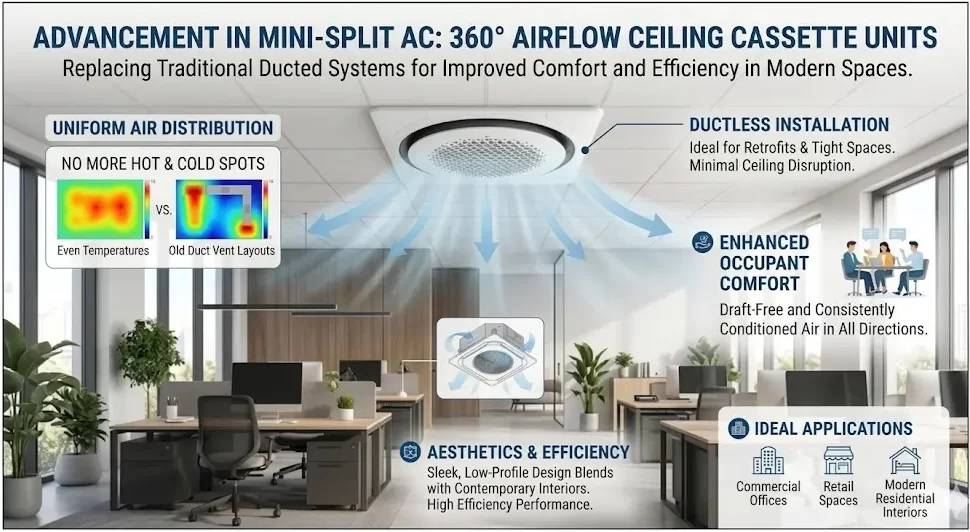
360° Airflow Ceiling Cassette Units
Ceiling cassette mini-splits with 360-degree airflow are increasingly replacing traditional ducted systems in tight or retrofit spaces. These units distribute conditioned air evenly in all directions, eliminating hot and cold spots without requiring ductwork. The design enhances occupant comfort while maintaining a low-profile ceiling installation. With improved airflow dynamics and compact cassette sizes, these systems are ideal for commercial settings, offices, and modern residential interiors where aesthetics and efficiency are priorities.
Pre-Charged Quick-Connect Line Sets
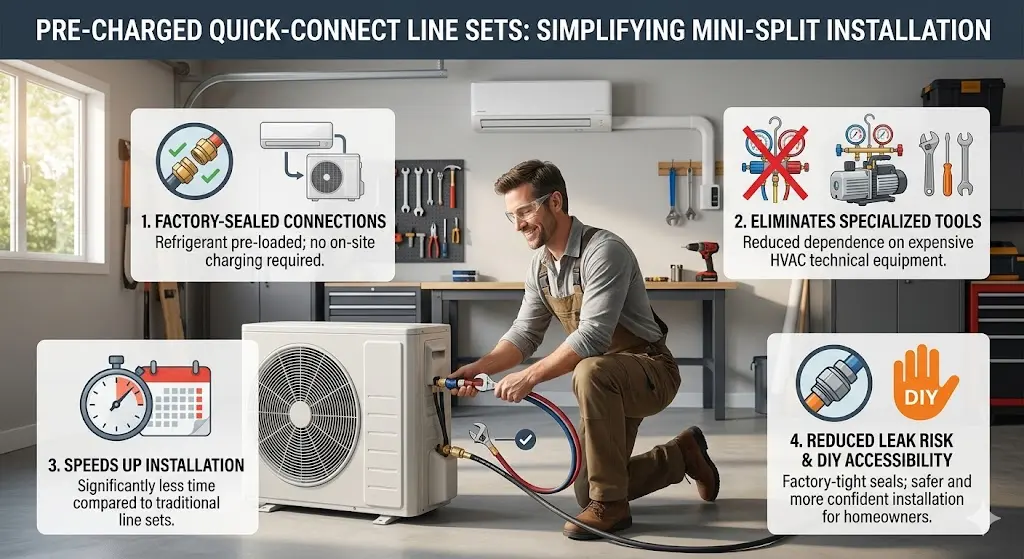
Pre-charged, quick-connect refrigerant line sets are transforming mini-split installation processes by reducing the need for specialized tools and technical expertise. These systems come with factory-sealed connections that eliminate on-site refrigerant charging and vacuuming. This innovation not only speeds up installation but also reduces the risk of leaks and improper setup. As a result, mini-splits are becoming more accessible for DIY installations and small contractors, expanding their market reach.
Hyper-Heating Inverter Technology
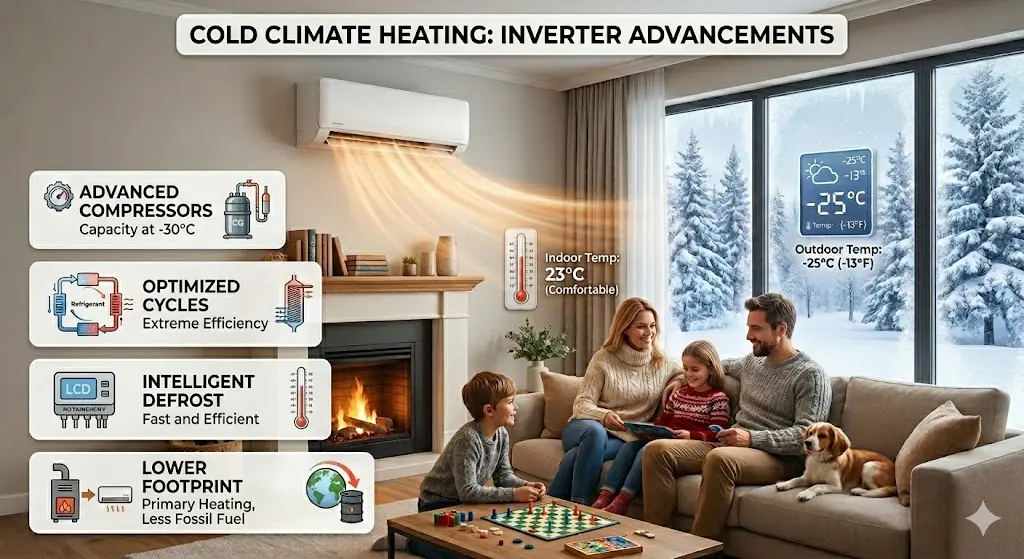
Hyper-heating inverter mini-splits represent a major advancement in cold-climate performance. Unlike conventional systems that lose efficiency in low temperatures, these systems can maintain near-full heating capacity even at extremely low outdoor temperatures (as low as -20°C to -30°C). This is achieved through enhanced compressor designs, optimized refrigerant cycles, and intelligent defrost mechanisms. As a result, mini-splits are increasingly being adopted as primary heating solutions in colder regions, reducing reliance on fossil-fuel-based heating systems.
Integrated Leak Detection Systems
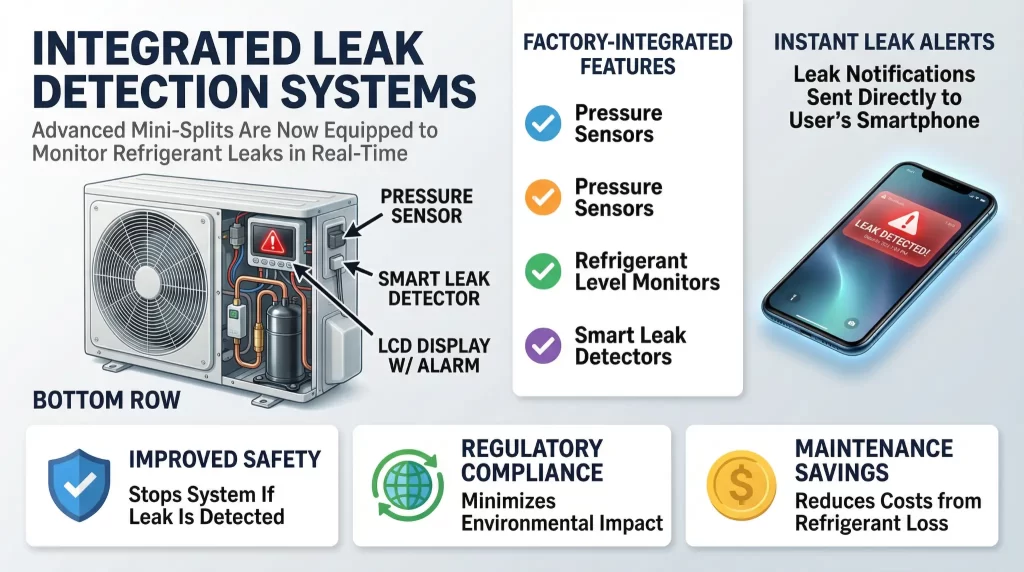
Factory-integrated refrigerant leak detection systems are becoming a standard feature in advanced mini-splits. These systems monitor pressure and refrigerant levels in real time, alerting users or shutting down the system in case of a leak. This improves safety, ensures compliance with environmental regulations, and reduces maintenance costs associated with undetected refrigerant loss.
Where to Get Quality Products and Services?
Now that you know the many benefits and trends showing why mini-split ACs are better than traditional ones, the next step is to make a smart, reliable purchase. At Classic Services Air Conditioning & Heating, we are committed to providing premium solutions tailored to your needs. As a locally owned company, we understand the critical need for an efficient mini-split AC system. The skilled technicians at our company are committed to providing homeowners throughout New Braunfels and surrounding areas with affordable Lennox® Ductless Mini-Split heat pumps and air conditioners.
As pollution and global warming continue to escalate due to human neglect, the need for sustainable and energy-efficient solutions has never been more urgent. Rising carbon emissions, inefficient energy use, and resource depletion are key contributors to climate change. Therefore, adopting technologies like mini-split AC systems is vital to safeguard the future for coming generations.
Conclusion
Mini-split AC systems offer a smart, forward-thinking approach to home comfort, combining efficiency, flexibility, and modern innovation. As cooling technology continues to evolve, investing in advanced solutions ensures long-term savings, improved air quality, and greater control over indoor environments. Choosing Classic Services Air Conditioning & Heating makes all the difference, delivering reliable performance, expert installation, and lasting value. Upgrade your home with confidence and embrace a cleaner, quieter, and more energy-conscious way to stay comfortable year-round.
FAQ’s
Can a mini-split AC work effectively in extremely hot climates?
Yes, these systems are designed to perform in harsh conditions. Its advanced compressors maintain cooling capacity, enabling it to operate efficiently.
How long does a mini-split AC system typically last?
With proper maintenance, most systems can last between 15 and 20 years, often longer than traditional systems, due to their lower mechanical complexity.
Do mini-split systems affect indoor air humidity levels?
Yes, they help regulate humidity by removing excess moisture from the air, improving overall indoor comfort.
Are mini-split systems safe for continuous operation?
They are designed for long operational hours and include safety features such as automatic shut-off and overload protection.
Are there design options available for indoor units?
Indoor units come in various styles, including wall-mounted, ceiling cassette, and floor-mounted options to suit different interiors.