When it comes to having your air conditioning unit inspected, some homeowners are puzzled about what they should expect. They know very little about how their unit functions and are even less sure about what parts need maintenance. Without this essential knowledge, homeowners may struggle to find a reliable and trustworthy AC technician who can help keep their home running in good shape.
You should know exactly what to expect from your AC repair technician on each service call they make to your home. These expectations make it simpler for you to identify whether your system has been thoroughly inspected for damage. When one of these systems goes unchecked, your unit may present with more issues in the near future despite your maintenance and repair calls.
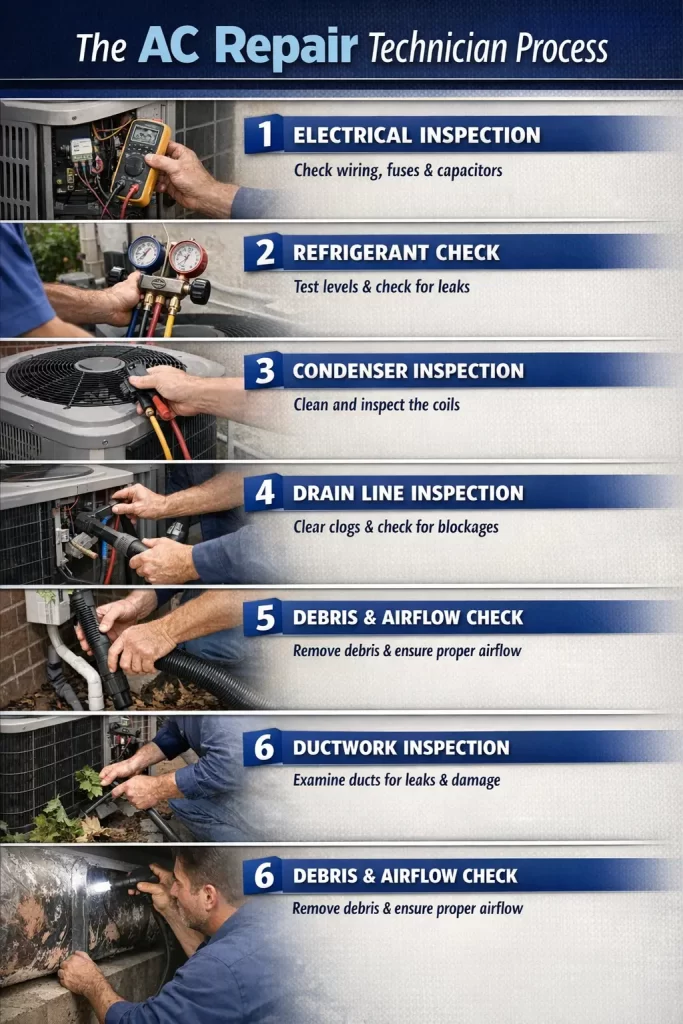
Essential Guide to AC Technician ExpectationsA reliable AC technician thoroughly inspects key components to ensure optimal performance. They check electrical systems for loose wires or faulty fuses, monitor refrigerant levels for leaks, and assess the condenser for dirt buildup. They also inspect the drain for clogs, remove obstructions affecting airflow, and examine ductwork for leaks. Proper attention to these six areas prevents costly repairs, improves efficiency, and ensures your air conditioning unit keeps your home comfortable year-round. |
Check Electrical Components
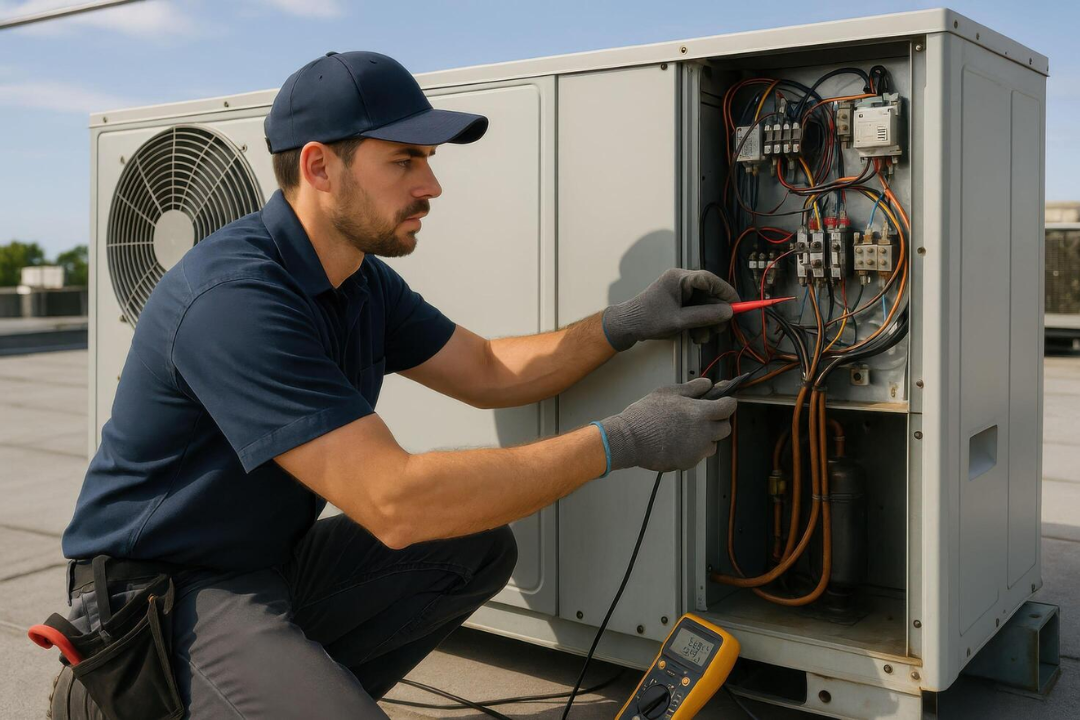
The first thing a technician will often check is your electrical components. These controls are their first glimpse into whether the machine is running in the expected condition. When something is awry within the wiring or in the control panel of the unit, the rest of its functioning can be markedly decreased. The electrical components in your unit are responsible for powering the various parts of the machine. Simply because it starts doesn’t mean that everything is running the way it should.
A loose wire or short system could be causing parts of the machine to run ineffectively or not at all. The fuses could be caked with debris, or replacement pieces may not be the right fit. Larger issues with the capacitor are more worrisome and can cause extensive breakdowns in the air conditioning unit.
All of these essential components are the key to setting your unit up for success. Once a technician is positive that it runs correctly, they can start to examine the secondary parts.
Check Refrigerant
As per a report published in the Zipdo education report 2026, refrigerant leakage can decrease AC efficiency by around 30%, leading to higher bills and strain on components.
It is the primary reason that your air conditioner is able to supply you with cool air at all. This liquid should remain relatively constant within the unit, but a technician may sometimes find that the levels are low. When you find a low refrigerant level, it typically demonstrates that there is a leak somewhere in the system. This needs to be repaired as soon as possible to prevent further damage.
Not only is it unsafe for you to have a refrigerant leak in or around your home, but it also could result in extensive damage to the AC unit. Low refrigerant levels can ruin the compressor and cost you a small fortune in repairs.
Inspect the Condenser
The condenser is an important component of your air conditioning unit because it is responsible for turning the heat back into a liquid form. However, the condenser can develop a thick layer of dirt over time that reduces its ability to effectively perform this reaction. This is a common occurrence given that most air conditioning units are located outside.
A dirty condenser will lower the overall efficiency of the unit, as will any other minor repairs necessary to this essential part. You might experience higher electric bills without having a cooler home to show for it. If this part is left unchecked, you might experience an entire system breakdown caused by a set of dirty condenser coils.
Don’t trust just anyone. Know what qualities a good technician should bring to your home.
Inspect the Drain
The drain helps the condensation formed by your air conditioner to escape from the unit. When this isn’t possible due to a clog or a dirty drain pipe, you may experience water damage in other areas. Excessive water in the AC unit itself could lead to rust or electrical malfunctioning. If the problem isn’t addressed quickly, you may even spot water damage creeping back up into your home.
It’s important that your AC technician remove the drain and inspect it for a potential clog. This should be a relatively quick process, but it can make a huge difference in the efficiency of your unit.
Inspect for Obstructions and Overall Cleanliness
An air conditioning unit located outside the home is bound to encounter a few obstacles from time to time. The debris that can build up inside of the unit could eventually damage the coils or the fins. Similarly, your unit may not be able to run due to these massive obstructions. Clearing away some of the dirt and debris from your air conditioning unit should be one of the first things that a repair technician does upon visiting your home.
Check Ductwork for Air Leakage
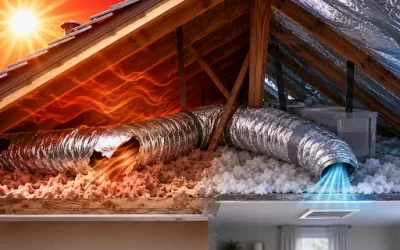
Do you ever find that you’re paying an exorbitant electric bill during the summer months? If you have a high energy bill but your house still isn’t cool, you could be experiencing a leak in your ductwork. This leak, even if it’s as small as a pinhole, is stealing the cool air that your air conditioner is manufacturing for the interior of your home.
A hole in the ductwork or areas that are leaking contribute to higher cooling costs and more wear on the unit. Your air conditioner will have to work much harder in order to keep up with the temperature you set for your home. You might see more repair bills as a result of this extra work if you don’t correct the leak in the ductwork as soon as possible.
The AC Technician Process
Conclusion
Homeowners should know what to expect from any potential AC repair technician. Armed with this knowledge, you can ensure that you’re getting an excellent deal on your home maintenance from a reputable and experienced company. Whether you’re signed up for annual maintenance or in need of an emergency repair, a good technician will help you to improve the overall efficiency of your unit using these six guidelines.
For more information on how we can help you to improve the comfort of your home, contact Classic Services Air Conditioning & Heating today. We have a highly trained and qualified staff who would be happy to take a look at your air conditioning unit.
FAQs
What qualifications should I check before hiring an AC technician?
Ask if they are licensed, insured, experienced with your system, and provide written estimates and warranties; these signal professionalism and reliability.
Should I ask for a detailed service estimate?
Yes, a clear written estimate helps you understand costs, parts, and labor before work begins, avoiding surprises.
Is it worth buying an AC maintenance plan?
Maintenance plans help catch issues early, often include discounts on repairs, and can extend the lifespan and efficiency of your system.
Should a technician perform a full system diagnostic?
Absolutely, they should check electrical components, refrigerant, and overall functionality to identify current and potential problems before completing repairs.
Do technicians provide written service reports?
Yes, a good AC technician documents inspections, repairs, and recommendations, helping you track maintenance history and identify recurring issues.