
When it comes to air conditioner performance, make and model are not the only factors; the right installation approach also makes a huge difference in their efficiency and lifespan. Proper installation ensures your air conditioner operates at peak performance, consuming the least energy while providing optimal comfort. It also prevents common issues such as poor airflow, frequent breakdowns, and excessive wear and tear.
In this blog, we explore the importance of proper AC installation, how you can ensure your system is correctly installed, and the long-term benefits of investing in professional installation.
Installation Efficiency Insights GuideProper AC installation plays a vital role in maximizing energy efficiency, improving indoor comfort, and extending system lifespan. Incorrect installation can cause airflow restrictions, uneven cooling, higher energy bills, and frequent repairs. Choosing a licensed HVAC professional, selecting the correct unit size, ensuring proper placement, sealing ductwork, and scheduling regular maintenance all contribute to optimal AC performance. Investing in professional installation helps prevent costly issues while maintaining reliable, energy-efficient cooling for years. |
Importance of Proper AC Installation
Here’s why proper AC installation is crucial:
Maximizing Energy Efficiency
Energy efficiency is a major factor that depends on the system’s seamless installation. Accurate installation means smooth operation, no burden on the system, and balanced energy consumption. Here’s what the impact of installation on AC performance.
- Improper “refrigerant” levels
- Poor airflow
- Ductwork inefficiencies
These problems will make it hard for your system to function properly and thus will cost you more every month. Besides, it will also shorten the lifespan of your system, emphasizing the importance of accurate AC placement.
Enhanced Performance and Comfort
An ideal system should distribute cooling evenly throughout the indoor space. However, when installation is not done properly, some areas of the room or house may end up colder than others, while some sections may feel stuffy and warm. For instance, if an AC unit is improperly positioned, such as being too close to walls or obstacles, it can restrict the flow of cool air. Also, if the vents are not positioned or adjusted correctly, air may be directed toward certain areas of the room while others receive little to no airflow, emphasizing the importance of accurate AC placement.
Avoiding Expensive Repairs
Another critical factor is that improper installation can lead to frequent, costly repairs. For example, an incorrectly sized AC unit might overheat or wear out faster than it should. Or a unit that hasn’t been properly levelled may experience drainage problems, leading to water damage and mechanical malfunctions. By choosing the right professionals for installation, you reduce the likelihood of these issues, sparing yourself the headache of costly repairs.
Even the best AC won’t perform without correct installation. Get it done right the first time.
How to Ensure Proper AC Installation?
Here are the right steps to follow during installation to ensure consistent cooling, lower energy costs, and fewer operational issues over time.
Rely Upon a Professional HVAC Installer
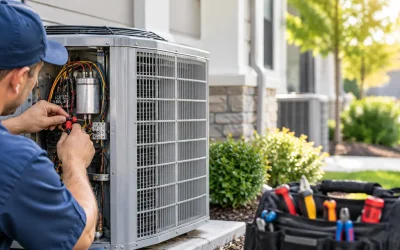
AC installation is not a DIY project; it requires specialized expertise. Hiring a licensed HVAC (Heating, Ventilation, and Air Conditioning) professional is the best way to ensure the job is done well. Professionals have the training and tools to install your system in accordance with the manufacturer’s specifications. Furthermore, modern regulations require technicians to be EPA-certified to handle the latest eco-friendly, low-GWP refrigerants (like R-32 or R-454B). The benefits of professional installation go beyond performance; they guarantee compliance with local environmental and safety codes.
Select the Right Size AC Unit
One of the most crucial steps in AC installation is choosing the right-sized AC unit for your space. An undersized unit will struggle to cool the area effectively, while an oversized unit will short-cycle and consume more energy than necessary. Today, a professional HVAC technician won’t just guess based on room size; they will utilize the advanced Manual J Load Calculation software. This takes into account modern insulation ratings, window types, house orientation, and local climate data to recommend the exact tonnage your home needs, maximizing efficiency and reducing wear and tear.”
Ensure Proper Placement
The location of your air conditioner matters. The unit should be placed in a shaded area to prevent overheating and installed away from heat sources such as windows or appliances. It should also be positioned to allow optimal airflow. For ductless mini-split systems, the indoor units should be placed where the air can circulate easily without obstructions. In fact, one of the key benefits of mini-split AC systems for modern homes is their installation flexibility, allowing homeowners to achieve targeted cooling while maintaining energy efficiency.
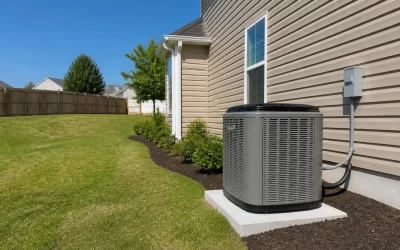
The outdoor condenser unit requires proper clearance on all sides to ensure adequate ventilation and prevent future problems with the residential ventilation system. Ensuring your system is installed in the right spot will prevent airflow restrictions and overheating issues.
Seal and Insulate the Ductwork
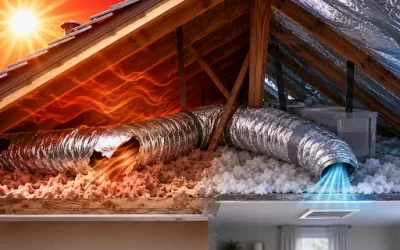
Ductwork plays a crucial role in the overall efficiency of your HVAC system. Leaky or poorly insulated ducts can cause cool air to escape, wasting energy and leading to inefficiency. A proper AC installation includes sealing and insulating the ductwork to prevent energy loss. This can be especially important in attics, crawl spaces, and basements, where ducts are often more exposed to temperature changes. Ensure your ducts are properly sealed to keep cool air flowing throughout your home and warm air out.
Regular Maintenance and Inspections
Proper installation sets the stage for efficiency, but regular maintenance is key to keeping your system running optimally. Once installed, make sure to schedule annual inspections and tune-ups with a professional technician. They can clean coils, check refrigerant levels, test airflow, and assess the overall health of your AC unit. Regular maintenance will not only ensure efficiency but also catch potential problems before they lead to costly repairs.
Proper installation is just the first step. For more expert tips on achieving peak performance in every room, read our guide on the most efficient ways to cool your home.
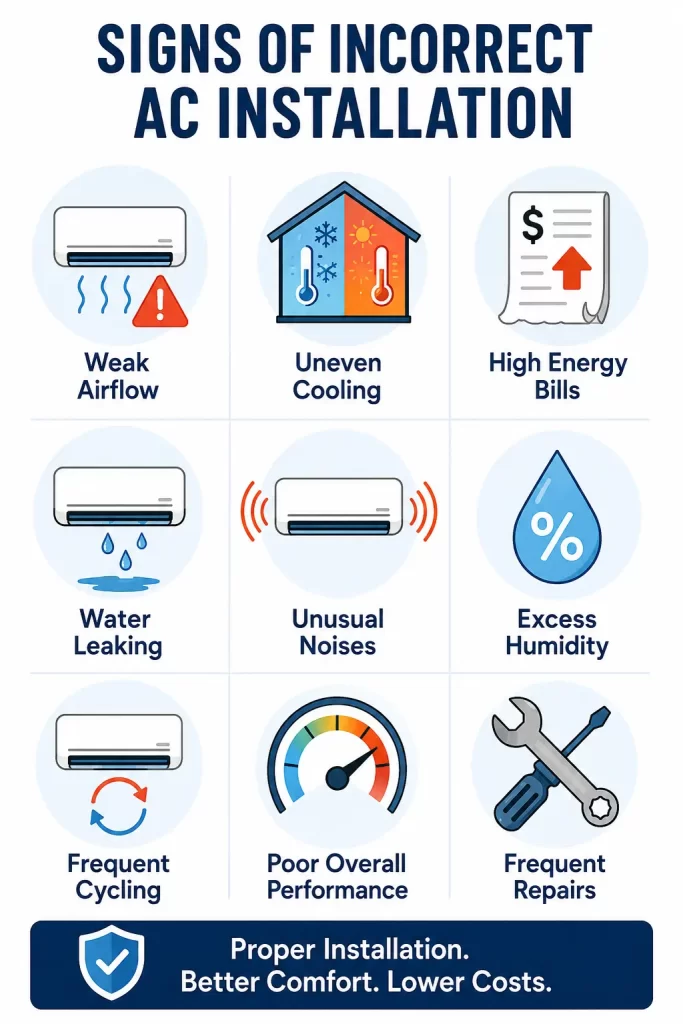
Warning Signs of Poor AC Installation
An improperly installed air conditioning system can lead to reduced comfort, rising energy costs, and constant performance issues. Weak airflow, uneven cooling, unusual noises, and excess humidity are common indicators that your AC system may not have been installed correctly. Identifying these warning signs early can help prevent costly repairs and improve long-term system efficiency.
Conclusion
The importance of proper AC installation cannot be undervalued, as it affects everything from energy efficiency and performance to long-term savings and system longevity. Whether you’re installing a new unit or upgrading your existing one, investing in proper installation will pay off with lower bills, fewer repairs, and a more comfortable living space.
If you want professional help for a proper AC Installation, contact Classic Services today!
Quick Answers for Better AC Performance
Why does my new AC smell strange after installation?
Temporary odours may occur from new components or adhesives, but persistent burning or musty smells could indicate wiring, drainage, or airflow installation problems.
Is it normal for an AC unit to vibrate after installation?
Minor vibration is common, but excessive shaking or rattling often indicates improper mounting, loose components, or an uneven installation surface that requires professional inspection.
How soon should I replace my AC filter after installation?
Most HVAC professionals recommend checking the air filter within the first 30 to 60 days after installation to ensure proper airflow and system cleanliness.
Does thermostat placement affect AC efficiency?
Yes, installing a thermostat near windows, kitchens, or heat-producing appliances can cause inaccurate temperature readings and reduce overall cooling efficiency.
What happens if refrigerant charge levels are incorrect?
Too much or too little refrigerant can reduce cooling performance, increase energy consumption, strain the compressor, and shorten the lifespan of the air conditioning system.